
TREATMENTS / PELVIC HEALTH
Pelvic Health Physiotherapy
Private, evidence-based care for bladder,
bowel, pelvic pain and pregnancy-related
concerns.
Pelvic floor problems are common, but they are not something you just
have to live with. Our physiotherapists assess the root cause and guide
you through a personalised plan, one step at a time.
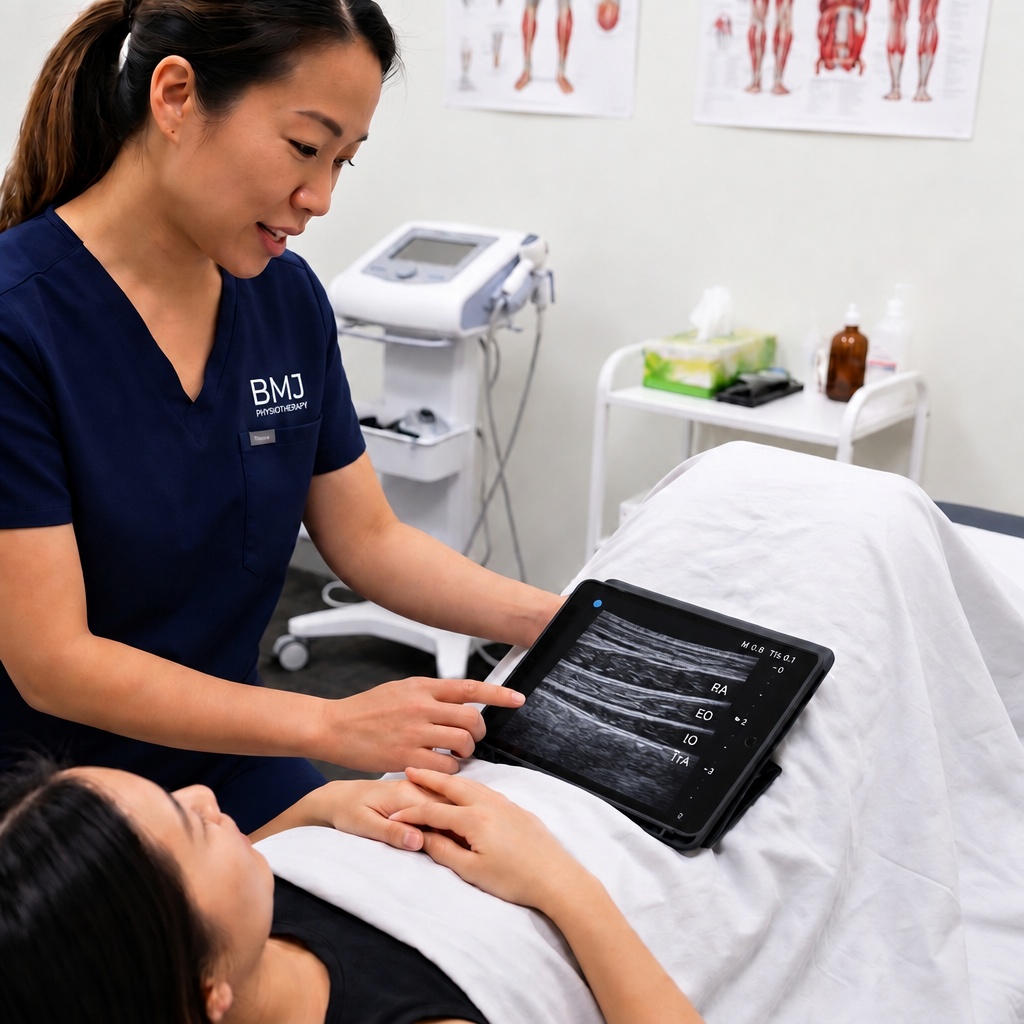
What is Pelvic Health
Physiotherapy?
The pelvic floor is a group of muscles that supports your bladder, bowel and
(in women) the uterus. When these muscles are too weak, too tight or poorly
coordinated, they can cause leaking, urgency, pain or a feeling of heaviness.
Pelvic health physiotherapy is a specialised area of physiotherapy that
assesses and treats these muscles together with your posture, breathing, core
and daily habits, so we address the cause and not just the symptoms.
Your comfort comes first
✓ One-to-one sessions in a private treatment room
✓ Every step explained, and nothing done without your consent
✓ No doctor’s referral needed to book
✓ Care by well-trained female physiotherapists
Conditions We Treat
Common concerns our pelvic health physiotherapists can help with.
Urinary Incontinence
Leaking when you cough, sneeze, laugh, exercise or lift, or a sudden urge you can’t hold.
Overactive Bladder
Frequent trips to the toilet, urgency and waking at night to pass urine.
Pelvic Pain
Persistent pain in the pelvis, tailbone or pelvic floor, including pain with intercourse.
Pregnancy Pelvic Girdle Pain
Pain at the front or back of the pelvis when walking, climbing stairs or turning in bed.
Postnatal Recovery
Pelvic floor weakness, leaking or heaviness after birth, and a safe return to exercise.
Diastasis Recti
Separation of the tummy muscles during or after pregnancy, with a bulge or doming along the midline and a weak-feeling core.
Our Area of Specialities
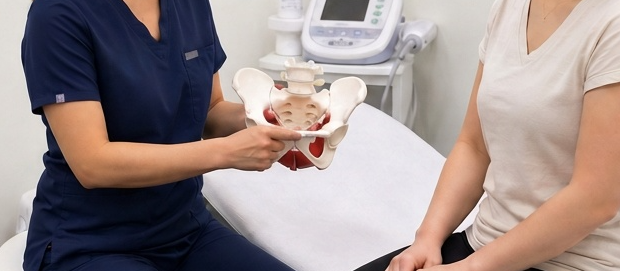
Women’s Health
Care through every life stage, from active adults with leaking during exercise to menopause-related bladder and prolapse symptoms.
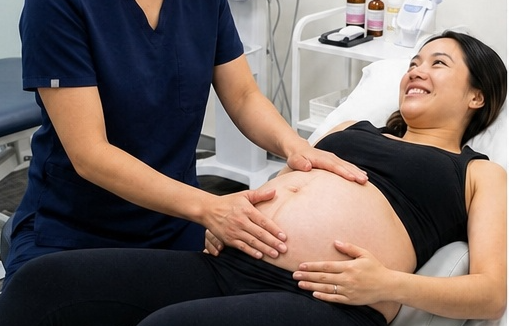
Pregnancy & Postnatal
Managing pelvic and back pain during pregnancy, preparing for birth, and rebuilding strength and confidence after delivery.
What to Expect at Your First Visit
Many patients feel nervous before their first session. Here is exactly how it works, so there are no surprises.
01
A private conversation
We talk through your symptoms, medical and pregnancy history, and what you want to get back to.
02
Movement assessment
Your posture, breathing, core and hips are checked, as these often contribute to pelvic symptoms.
03
Pelvic floor check (optional)
If helpful, and only with your consent, your physiotherapist may suggest a pelvic floor examination. You can decline at any time.
04
Your personal plan
You leave with a clear diagnosis, a treatment plan and exercises you can start at home that day.
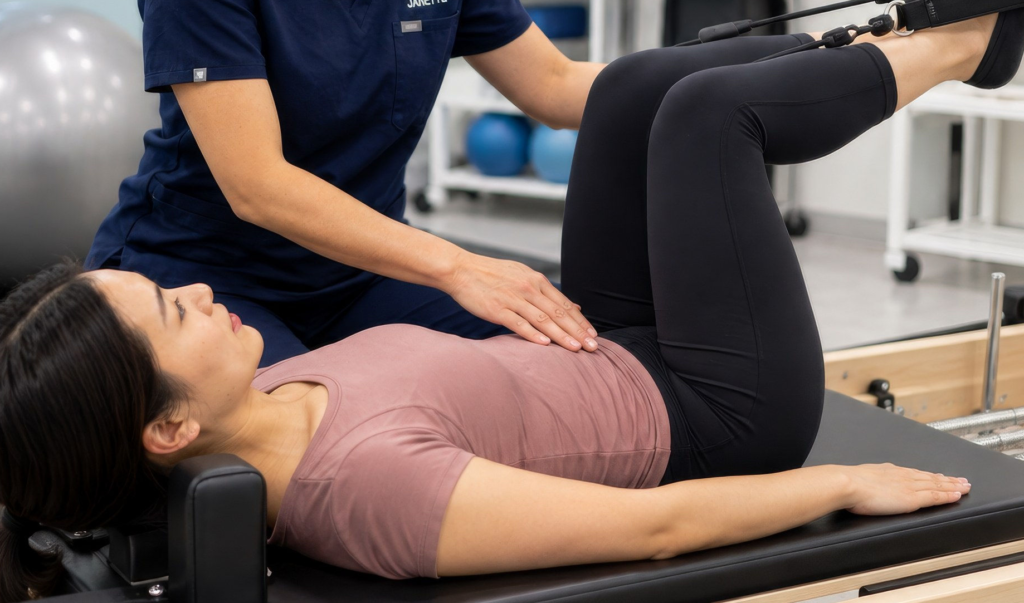
Our Treatment Approach
Treatment is tailored to your assessment findings and may include one or more of the following:
Sessions typically last 45 minutes. See Our Charges for fees.
Google & Facebook Reviews
Rated 4.9 out of 5 by patients across our clinics, based on 1,210 reviews.








FAQ
No. You can book directly with us. Some insurance plans may require a referral to cover the cost, so it is worth checking with your insurer.
Not always. An internal (vaginal) pelvic floor assessment is the most accurate way to check how your pelvic floor muscles contract, relax and coordinate, so your physiotherapist may recommend it for conditions such as leaking, pelvic pain or pelvic floor weakness. It is never compulsory. We will explain why it may help, what it involves and the alternatives, and only proceed with your informed consent. You can pause or stop at any time, bring a companion, or choose an external-only assessment instead. Many patients start with an external assessment and decide later.
Yes. Pelvic health physiotherapy is safe at every stage of pregnancy and is often recommended. We can help with pelvic girdle pain, back pain, leaking, and preparing your pelvic floor and body for labour and birth. Treatment is adapted to your trimester, and positions are adjusted as your bump grows. Internal assessments are generally not performed during pregnancy unless there is a specific clinical reason and your doctor agrees. Please tell us how many weeks pregnant you are and let your obstetrician know if you have any pregnancy complications.
You can start gentle pelvic floor exercises and breathing within the first few days after birth, if you feel comfortable. A full postnatal pelvic health assessment is usually recommended around six weeks after delivery (or later after a caesarean or complicated birth), once your doctor has cleared you at your postnatal review. If you have leaking, heaviness, pain or tummy separation earlier than this, you do not need to wait. Contact us and we can advise on what is appropriate for you.
Every patient is different. Most people notice improvement within four to six sessions, usually spread one to two weeks apart, alongside a home exercise programme. Pelvic floor muscles, like any muscle, typically need around eight to twelve weeks of consistent training to build lasting strength. After your first assessment, your physiotherapist will give you an estimate based on your condition, goals and progress, and review this with you regularly.
Physiotherapy is claimable under many personal and corporate medical insurance plans, but coverage varies. Some plans need a doctor’s referral, a specialist letter or pre-authorisation before your first session. We recommend checking with your insurer, HR or insurance agent before your visit.
Wear comfortable, loose clothing you can move in, such as a T-shirt with leggings or track pants. Please bring any referral letters, scan or test results, a list of your current medications, and your insurance details if you plan to claim. If possible, keep a simple bladder diary for two to three days beforehand, noting how much you drink, how often you pass urine and any leaks. It is fine to attend during your period; just let us know when you arrive.
Take the first step, in confidence.
Book a pelvic health assessment at a BMJ clinic near you. Prefer to ask a question first? Message us on WhatsApp and our team will get back to you discreetly.
